You're Always Editing Yourself — The Question Is Whether You're Doing It With Intention
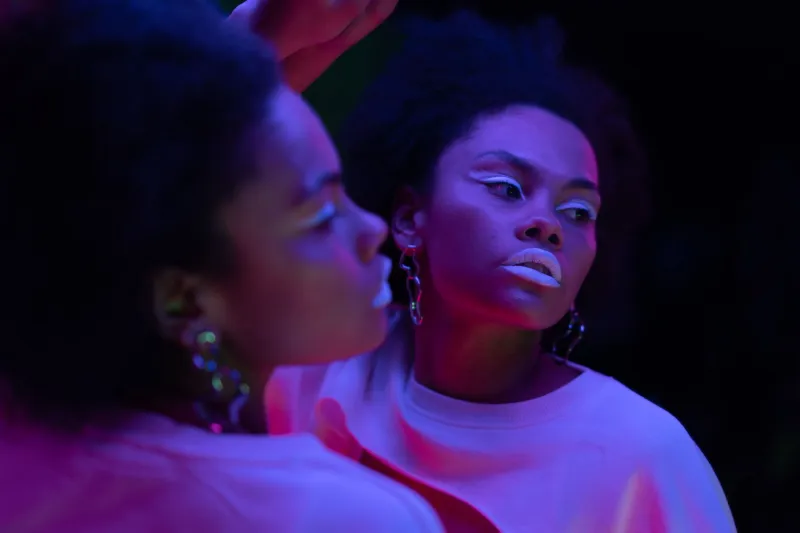
The 'No Filter' Creator Still Has a Filter
There's this creator archetype that's been everywhere lately — the one who opens their phone, hits record mid-cry, and calls it radical transparency. No edits, no scripts, just real life. And people love it. The comments flood in: "This is exactly what I needed today." "Finally, someone keeping it real."
But here's the thing. That creator still chose to hit record. They chose which take to post. They chose the caption. They decided, consciously or not, that this was the version of their vulnerability that felt safe enough to share. That's not a criticism — it's just the truth. The moment you decide to share something, you've already begun the editing process.
Authenticity, as it gets sold to creators, has become its own kind of performance. And that's not necessarily bad. It's just more complicated than the "just be yourself" crowd wants to admit.
Why the Paradox Actually Matters
Here's where it gets interesting. Most creators either swing too far toward over-polished perfection — the highlight reel life, the curated aesthetic, the version of themselves that never has a bad day — or they overcorrect into performed rawness, where the chaos itself becomes the brand. Both are curation. Both are choices. Neither is more "real" than the other.
The paradox of authenticity is this: the moment you become aware of it, you can never fully escape it. Once you know you're building a personal brand, every decision about what to share carries some weight. That Instagram story of your messy desk? A choice. The story you told about your first failure? A choice. The things you've never mentioned? Also a choice.
And that's not a betrayal of who you are. That's just how storytelling works.
The Difference Between Editing and Lying
Let's be clear about something important. There's a meaningful difference between editing your story and fabricating it. Choosing not to share your childhood trauma on a Tuesday afternoon isn't dishonesty — it's discretion. Choosing to frame a setback as a learning moment isn't spin — it's perspective.
The creators who build the most loyal audiences aren't the ones who dump everything onto the internet. They're the ones who understand which truths resonate — which parts of their experience connect with what their audience is going through, what they're scared of, what they're hoping for.
That's not manipulation. That's empathy applied to storytelling.
Think about someone like Brené Brown. Her work on vulnerability went mainstream not because she shared every single thing about herself, but because she identified specific, deeply human experiences — shame, belonging, the fear of not being enough — and spoke to those with precision. She didn't just bare her soul. She selected which parts of her soul would land with the people she was trying to reach. That selection is a skill, not a compromise.
Strategic Authenticity Isn't an Oxymoron
Here's the reframe that might feel uncomfortable at first: being strategic about what you share doesn't make you less authentic. It makes you a better communicator.
When you understand your audience — what keeps them up at night, what they're searching for, what kind of stories make them feel less alone — you can be honest in a way that actually connects, rather than just venting into the void. And connection is ultimately what authenticity is supposed to create, right?
A creator who shares every unprocessed thought in real time might feel more "real," but they often leave their audience confused, drained, or unsure what to take away. A creator who reflects, selects, and frames their truth with intention? That person builds something lasting.
The key is knowing why you're making each editorial choice. Are you hiding something because it's genuinely private and you're protecting yourself or others? That's valid. Are you hiding something because it contradicts the image you've been selling? That's where things get wobbly.
The Truths That Matter Most
So how do you figure out which truths to lean into? A few questions worth sitting with:
What do you keep coming back to? The stories you tell at dinner parties, the lessons you reference over and over, the experiences that shaped how you see the world — those are usually the ones worth building around. They're deeply yours, and they tend to be the ones that resonate most broadly.
What does your audience need to hear, not just what do they want to hear? The best personal brands aren't just mirrors for their audience. They gently challenge, reframe, or offer a perspective the audience didn't know they were missing. That requires honesty — sometimes uncomfortable honesty.
What are you conspicuously avoiding? Sometimes the most authentic move is to notice the thing you've been dancing around and decide whether it deserves to be part of your story. Not because you owe anyone your trauma, but because avoidance has a way of making a brand feel hollow over time.
Owning the Edit
Maybe the most honest thing any creator can do is acknowledge — at least to themselves — that they are always editing. Always making choices. Always presenting a version of themselves that is curated to some degree.
That acknowledgment doesn't diminish your brand. It actually gives you more power over it. Because when you stop pretending that authenticity means total unfiltered exposure, you can start making smarter, more intentional choices about what you share and why.
Your story is yours. You get to decide how it's told. The most compelling personal brands aren't the ones with the least editing — they're the ones where the editing is so thoughtful, so aligned with genuine values and real experience, that the audience never feels the seams.
That's not a performance. That's craft.
And honestly? Craft is the most authentic thing a creator can bring to the table.